Project
JFK Medical Center Emergency Department
Location
65 James St, Edison, NJ 08820
Start Date | Completion Date
2009 | May 2014
Size
18,000 SF Addition
20,000 SF Renovation
Final Cost
$17,060,000
Practices
Healthcare
Services
Architecture, Graphic Design, Interior Design
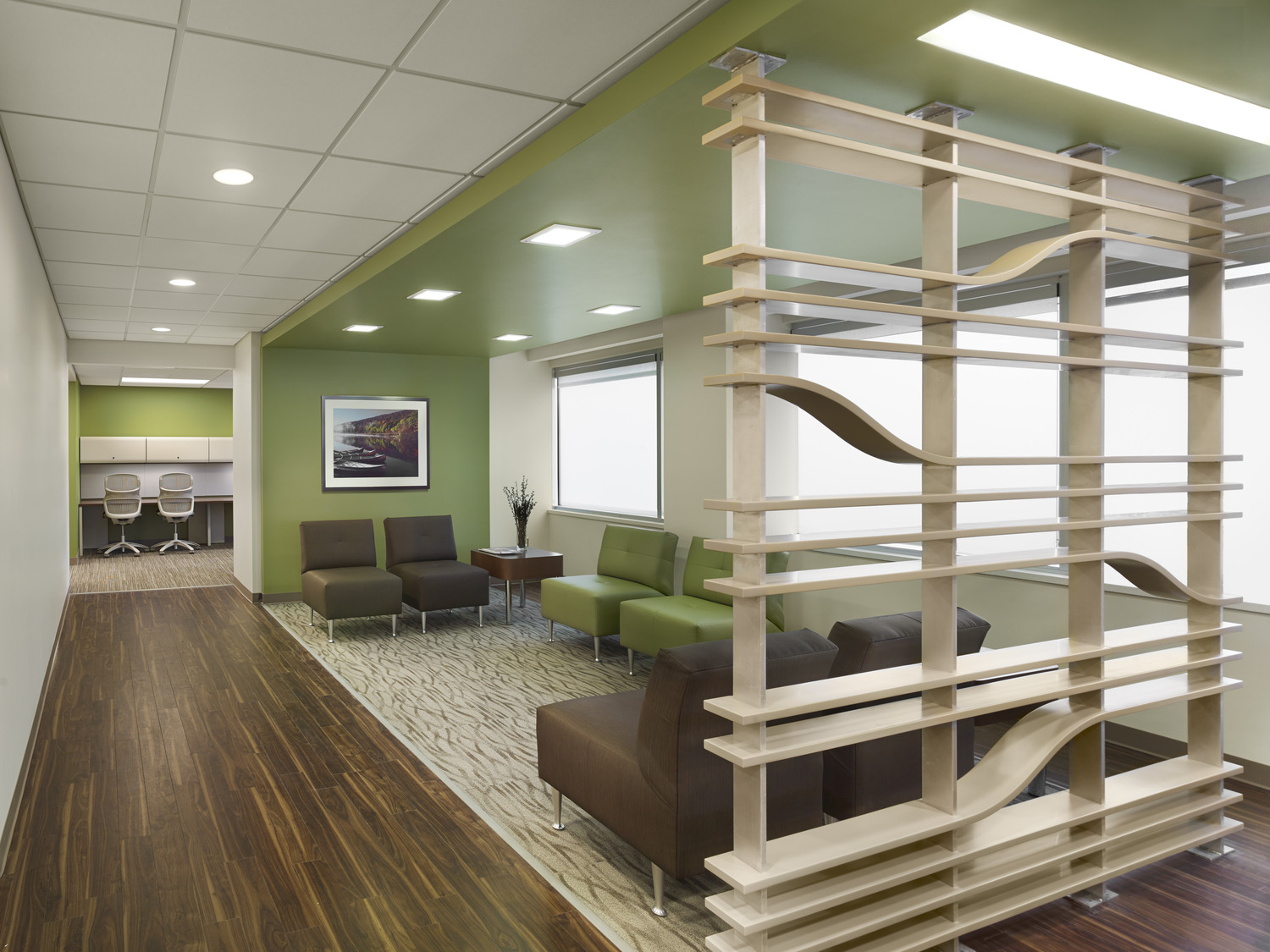
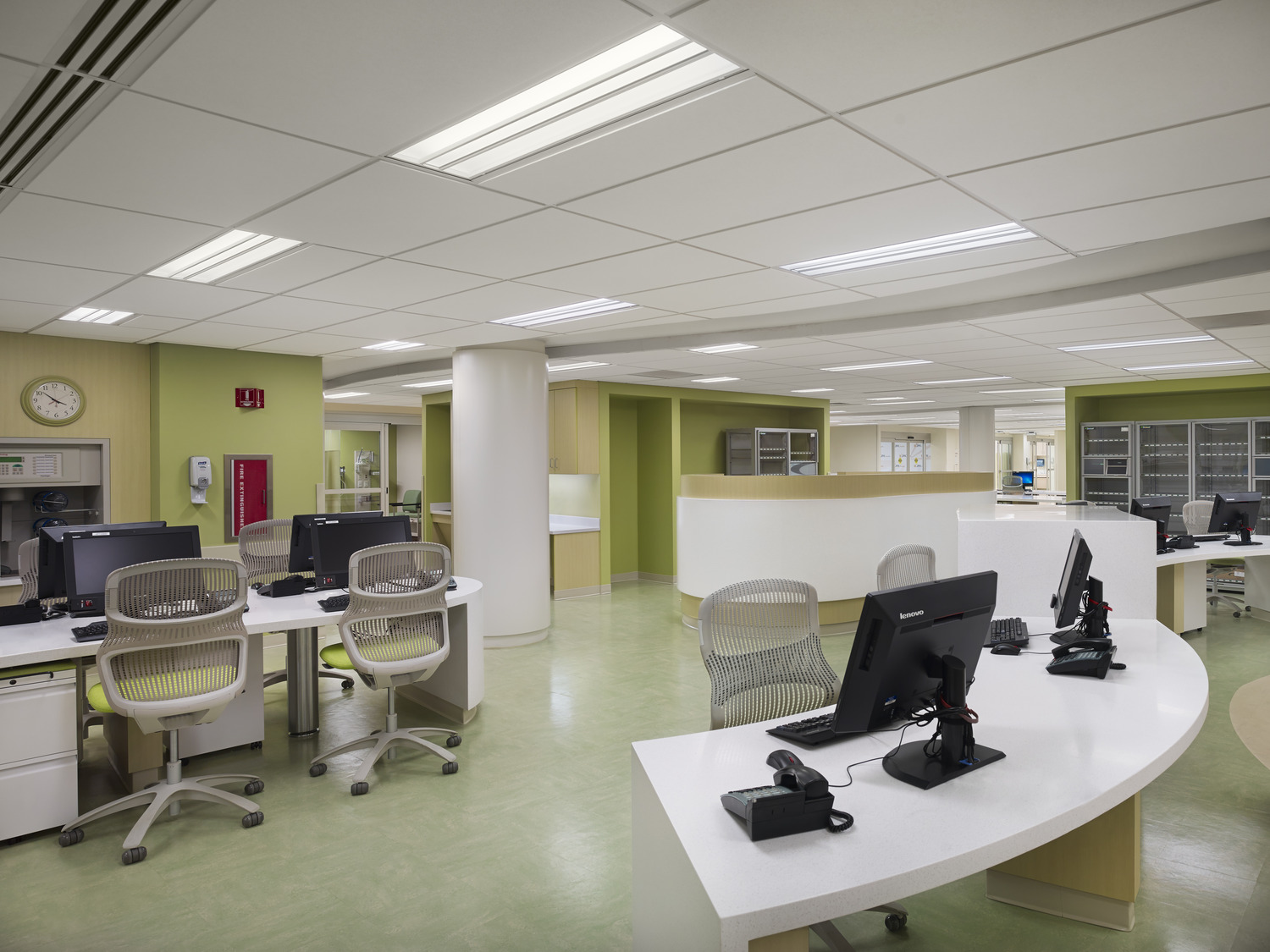
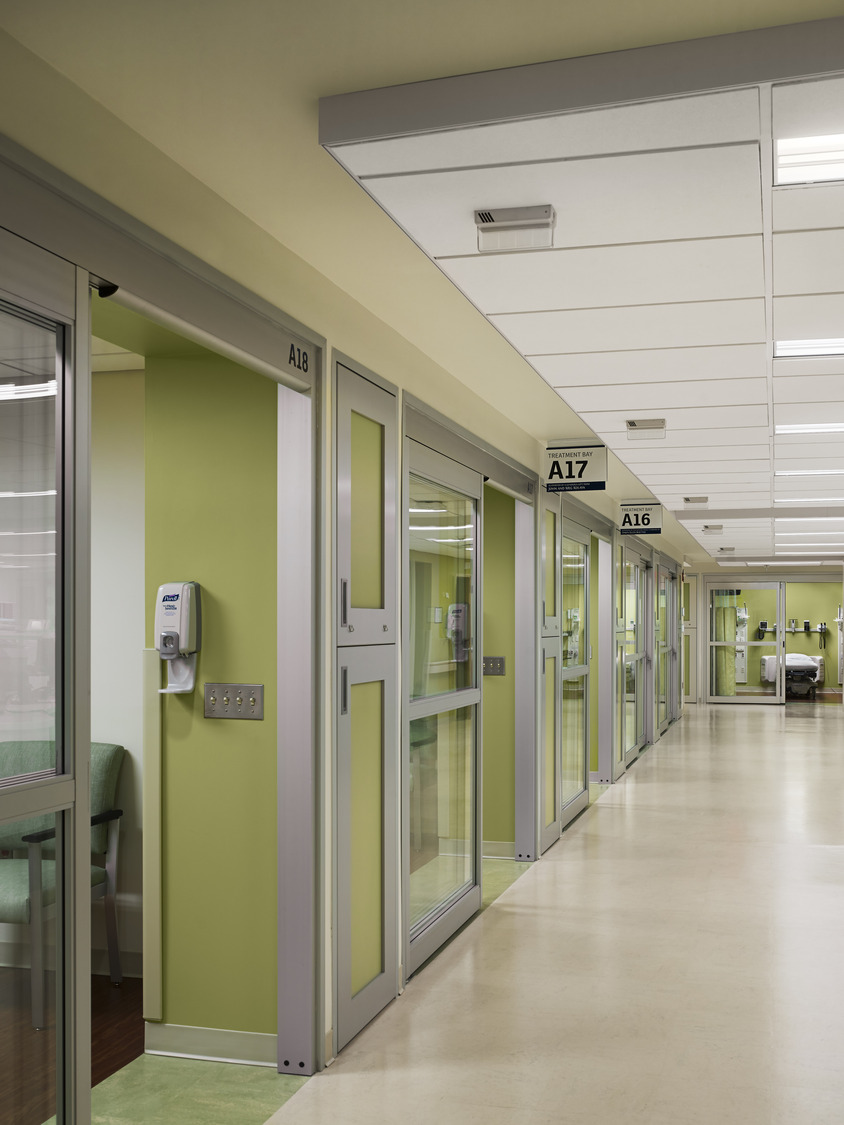
This project was a reinvention of the Emergency Department, in response to rapidly increasing patient volume, a need to enhance the patient experience, increase through-put, and reduce “door to doctor time,” all while providing for the latest available technology.
This project presented two key challenges. First; this was a multi-phased project that involved major coordination to ensure that occupancy and patient services were not interrupted at any point during the construction phase. The design included precise direction and timelines to allow for the closing, renovation, and re-occupancy of several areas. Many of these phases also included preparing for diagnostic equipment and supplies.
And second; the predesign services involved surveying, cataloging and evaluating several pieces of equipment that were required to be moved from the existing emergency room, temporarily stored and then installed into the newly renovated space or the addition. To accomplish this, our team needed to survey the existing equipment for quantity, physical size characteristics, power and heat load, required clearances and appropriate adjacency to clinical staff.
"When we shadowed the doctors and nurses, we created a spaghetti diagram of movement to see what was working for them versus what was obstructing their processes."
–Bob Ryan
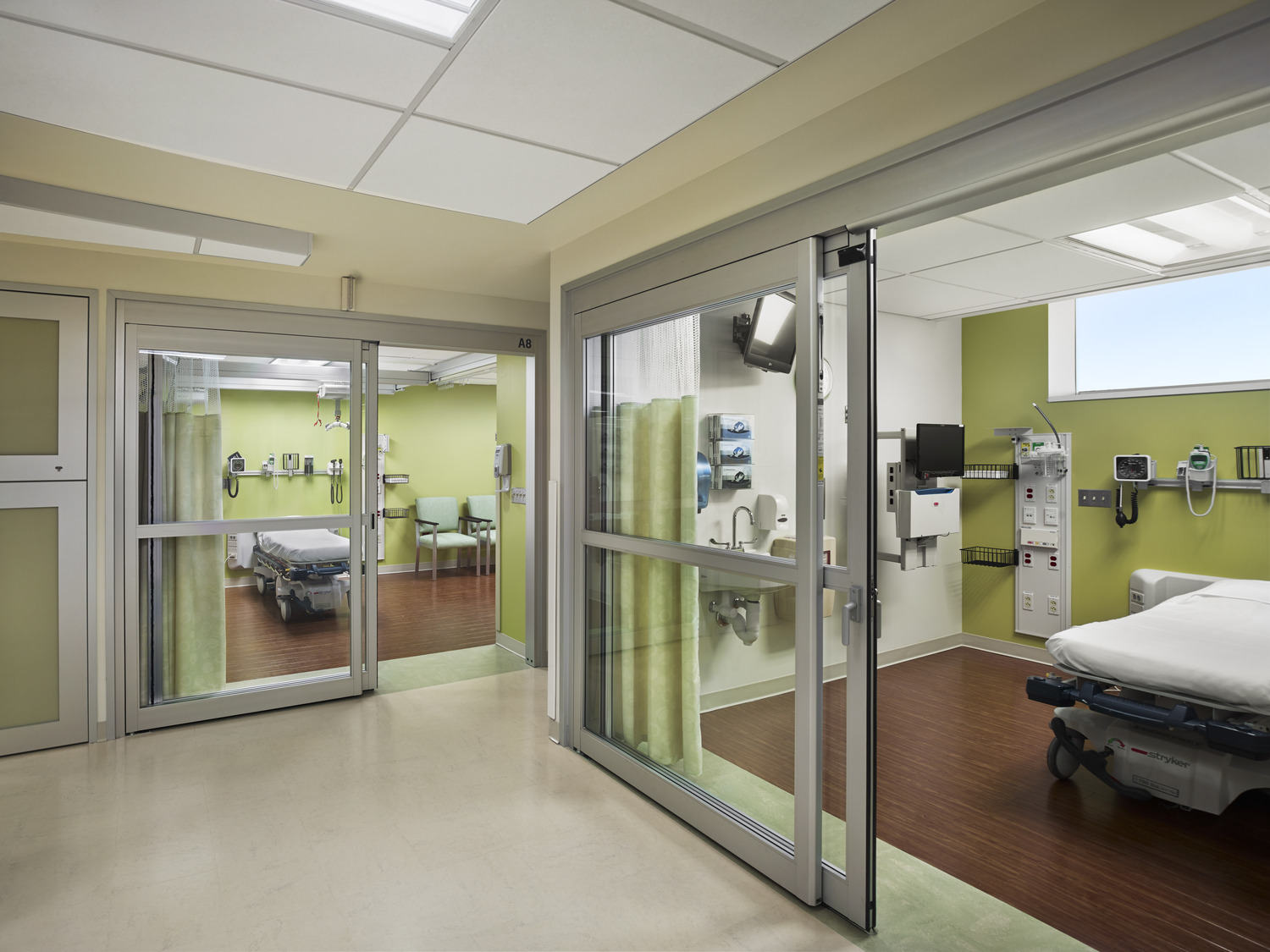
Bob Ryan’s longtime relationship with JFK Medical Center, now in its 35th year, is what put DIGroup in the running for the overhaul of their Emergency Department. At the time, JFK met an adverse position, unable to manage the volume of patients, to navigate the facility effectively, and working with outdated technology. The treatment bays had no acoustical privacy, infection control, or adequate room for emergency personnel to maneuver during critical events. Annual emergency room visits had nearly doubled, exceeding 70,000 patients, making JFK desperate for space.
JFK ran a blind design competition so the in-house reviewers could choose an architect based on their conceptual design approach rather than their relationship. Upon being awarded the project, we embarked on a 9-month design process; shadowing the clinical staff to gain insight into their every day and every overnight flow of operations, conducting interviews, creating a mock-up of the space, and creating environmental graphics, signage, and wayfinding for the new E.D. Pavilion.
Bob reflects on the process, “Having previously completed multiple small modifications to the E.D., we were prepared for this much-needed thorough approach in order to construct a lasting solution. When we shadowed the doctors and nurses, we created a spaghetti diagram of movement to see what was working for them versus what was obstructing their processes.”
From the schematic design, a life-size mock-up of the new E.D. was built in the conference center across the street for the doctors, nurses, and ancillary staff to test and provide feedback, including input on furniture. From the location of medical gases, electrical and data outlets to sink location and finishes, input was collected from the nursing staff, physicians, ancillary departments, and volunteer mock patients. Not only were design changes implemented in real time, but daily operations continued and prepped the user groups to be able to function in occupied, phased construction.
This project required the design and coordination of various types of medical gas consoles. In the emergency department, fast track and behavioral health units, we designed and specified modular wall mounted units a the headwall, Two identical units were provided at each treatment bay headwall at these locations. In the behavioral health emergency suite, all medical gas consoles were designed so that they could be covered when not in use to assure the highest level of patient safety In the future medical / surgical patient unit where a more home-like, less clinical look was the goal, our team designed the services to reside out of sight behind a decorative millwork panel system.